Operating heavy machinery requires more than skill behind the controls. Whether you’re running an excavator, bulldozer, wheel loader, motor grader, or backhoe, having a basic tool kit for heavy equipment operators can make a significant difference in safety, productivity, and equipment reliability.
Unexpected issues happen on every job site. A loose hydraulic fitting, a disconnected battery terminal, a missing bolt, or a simple maintenance task can quickly turn into costly downtime if the right tools aren’t available. That’s why experienced operators always carry a well-organized set of essential tools and know exactly how to use them.
In this guide, we’ll explore the tools every heavy equipment operator should have, explain their purpose, and discuss why learning to use them properly is just as important as owning them.
Don’t forget, we also offer a wide range of spare parts for heavy machinery, so feel free to inquire about any replacement needs you may have. Just click on contact us.
Why Every Heavy Equipment Operator Needs a Basic Tool Kit
Modern heavy equipment is incredibly reliable, but even the best machines require routine inspections and minor adjustments.
A basic tool kit allows operators to:
- Perform daily inspections
- Tighten loose components
- Identify minor mechanical issues
- Reduce downtime
- Improve workplace safety
- Support preventive maintenance
Many costly repairs begin as small problems that could have been identified and corrected early with simple tools.
Benefits of Carrying Essential Tools
A properly equipped operator enjoys several advantages.
Increased Productivity
Small repairs can often be handled immediately without waiting for maintenance personnel.
Improved Equipment Reliability
Routine inspections help identify wear before failures occur.
Enhanced Safety
Many workplace accidents happen because loose components or damaged parts go unnoticed.
Reduced Operating Costs
Preventive maintenance is significantly less expensive than emergency repairs.
A well-stocked basic tool kit for heavy equipment operators quickly pays for itself.
Tool #1: Adjustable Wrench
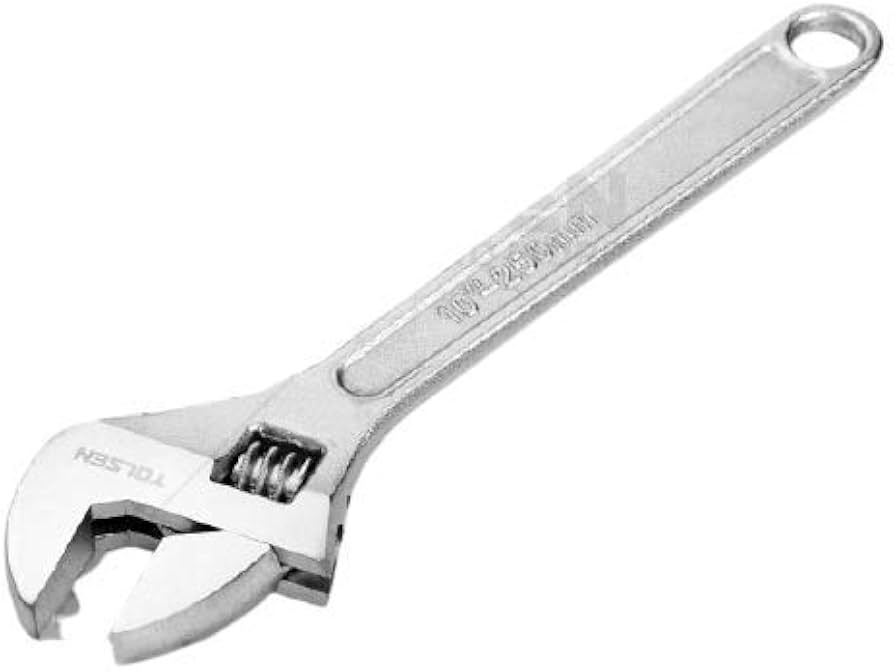
The adjustable wrench is one of the most versatile tools an operator can own.
Common Uses
- Tightening hydraulic fittings
- Adjusting battery terminals
- Securing bolts and nuts
- Minor field repairs
Why It’s Essential
Heavy equipment often contains components with different bolt sizes. An adjustable wrench eliminates the need to carry dozens of fixed-size wrenches.
Best Practice
Always ensure the wrench jaws fit snugly to prevent slipping and damaging fasteners.
Tool #2: Socket and Ratchet Set
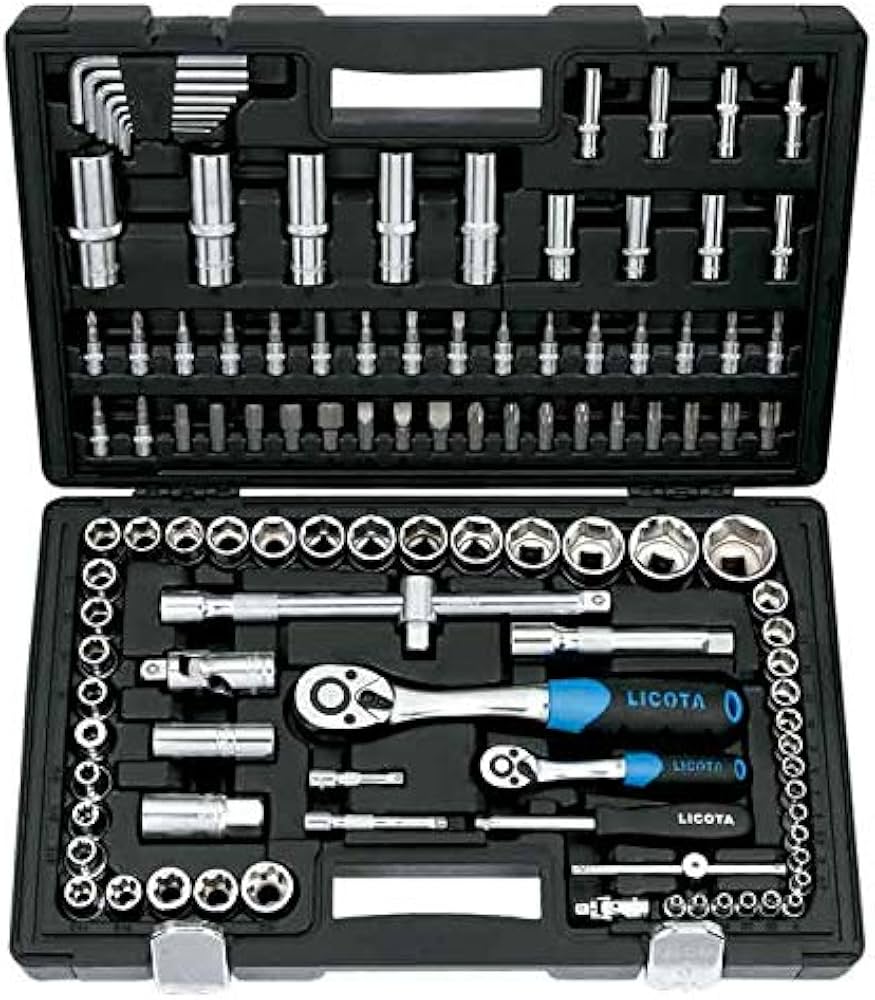
A quality socket set is the foundation of every professional tool kit.
Common Applications
- Removing panels
- Tightening bolts
- Performing inspections
- Replacing components
Recommended Sizes
Operators should carry both:
- Metric sockets
- SAE sockets
Many heavy equipment manufacturers use a combination of fastener standards.
Pro Tip
Deep sockets are especially useful when working around hydraulic systems and engine components.
Tool #3: Screwdriver Set
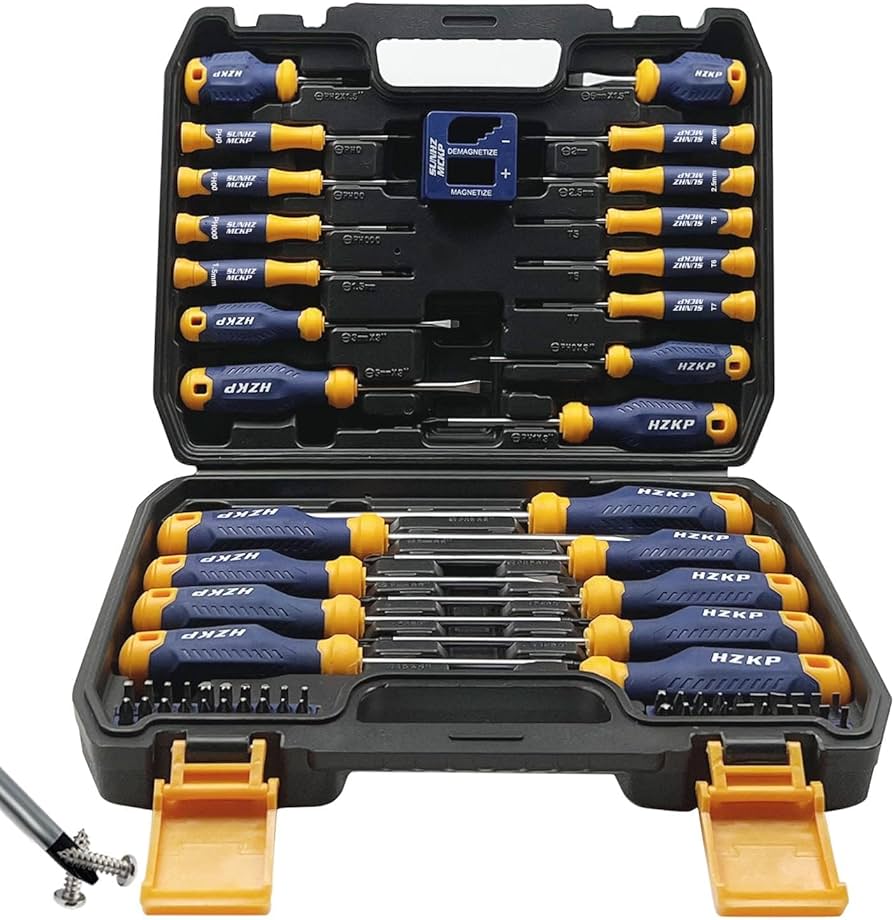
A complete screwdriver set is necessary for many routine maintenance tasks.
Essential Types
- Flat-head screwdrivers
- Phillips screwdrivers
- Precision screwdrivers
- Heavy-duty screwdrivers
Typical Uses
- Electrical panels
- Battery covers
- Dashboard components
- Hose clamps
Using the correct screwdriver prevents stripped screws and damaged components.
Tool #4: Pliers
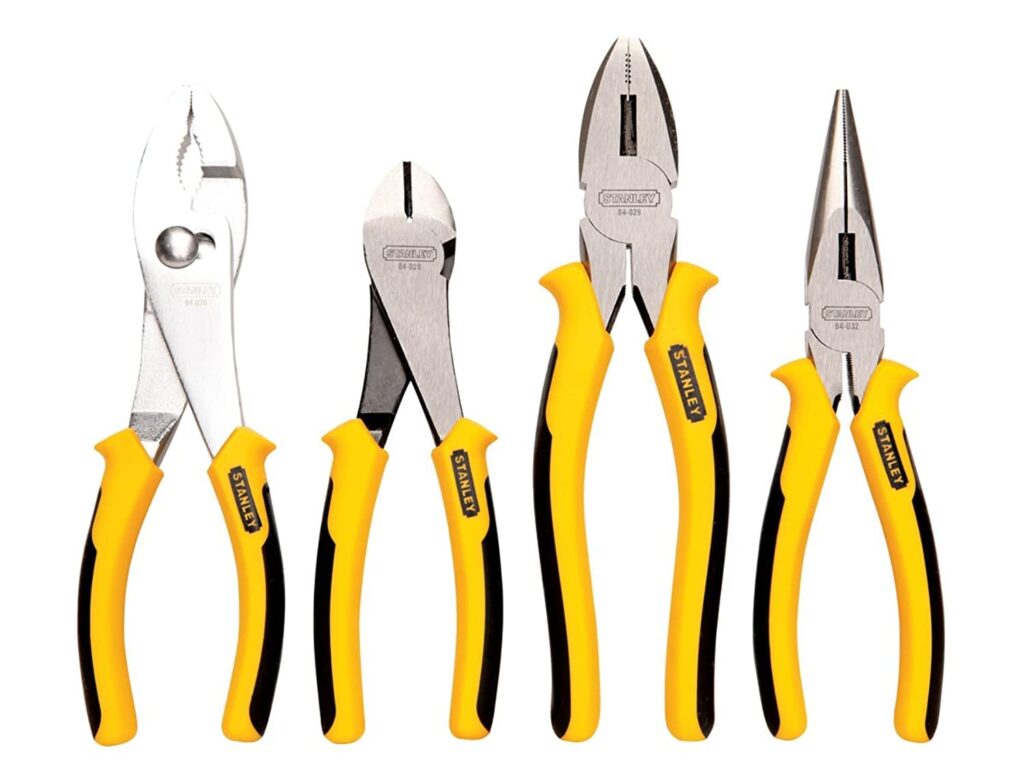
Pliers are among the most frequently used tools on construction sites.
Types Every Operator Should Have
Needle-Nose Pliers
Ideal for tight spaces.
Slip-Joint Pliers
Useful for gripping various sizes.
Locking Pliers
Perfect for holding damaged or rounded fasteners.
Common Uses
- Cutting wire
- Holding components
- Removing cotter pins
- Adjusting clamps
Tool #5: Hammer
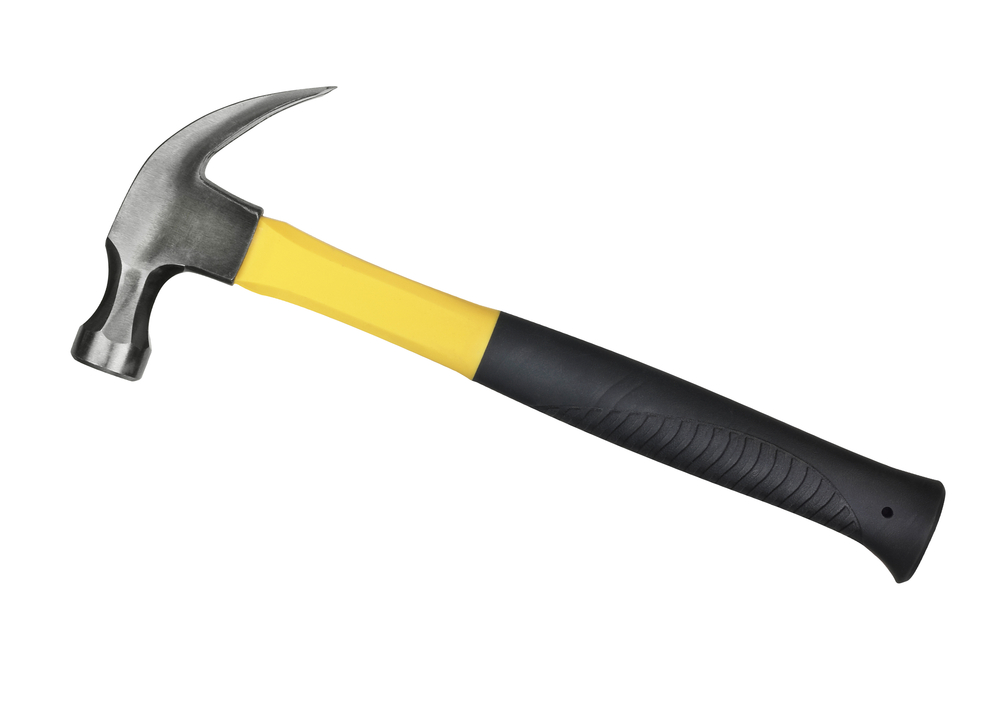
A hammer may seem simple, but it’s indispensable for field maintenance.
Best Types for Operators
- Ball-peen hammer
- Dead-blow hammer
- Rubber mallet
Applications
- Removing stuck pins
- Adjusting metal components
- Aligning parts
Avoid using excessive force, as modern machinery contains many precision components.
Tool #6: Torque Wrench
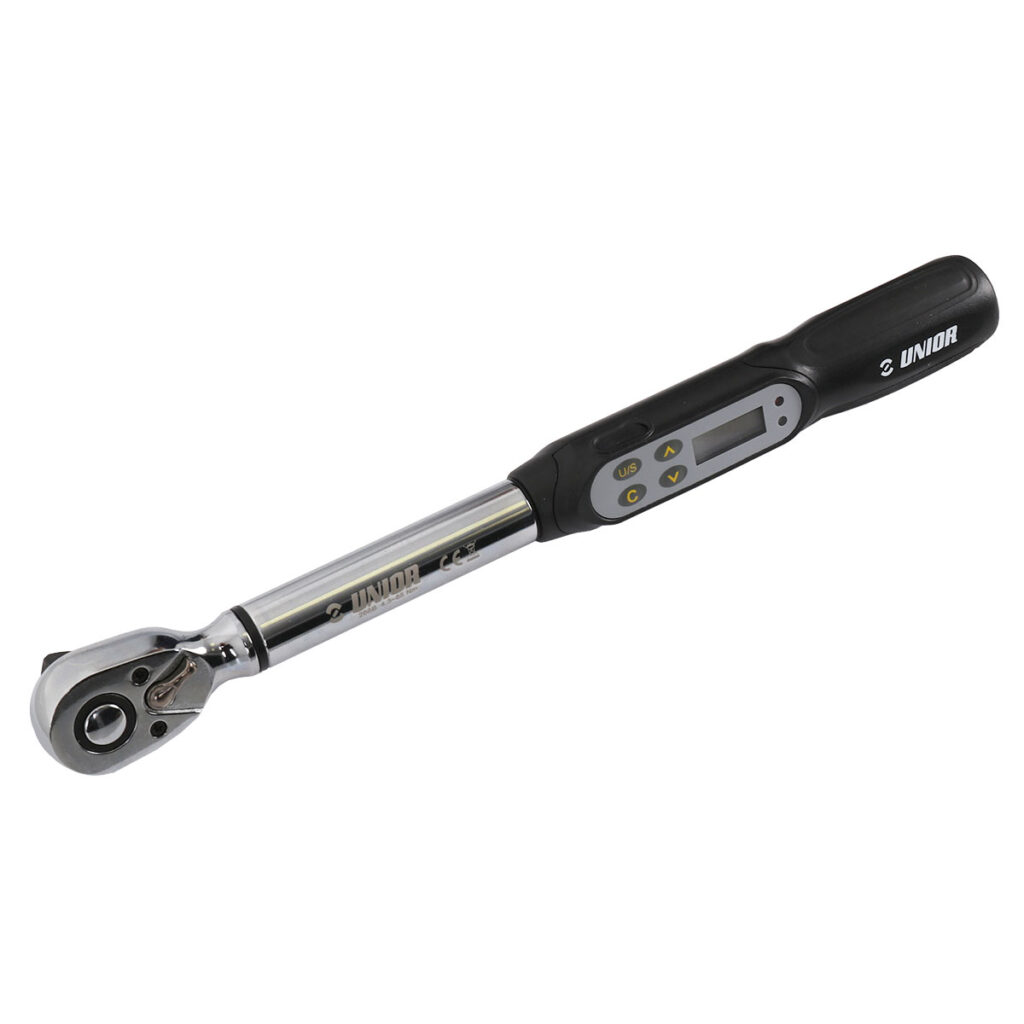
One of the most overlooked tools in a basic tool kit for heavy equipment operators is the torque wrench.
Why Torque Matters
Overtightened fasteners can fail.
Undertightened fasteners can loosen during operation.
Common Applications
- Wheel lug nuts
- Hydraulic fittings
- Engine components
- Structural bolts
Following manufacturer torque specifications improves safety and reliability.
Tool #7: Utility Knife
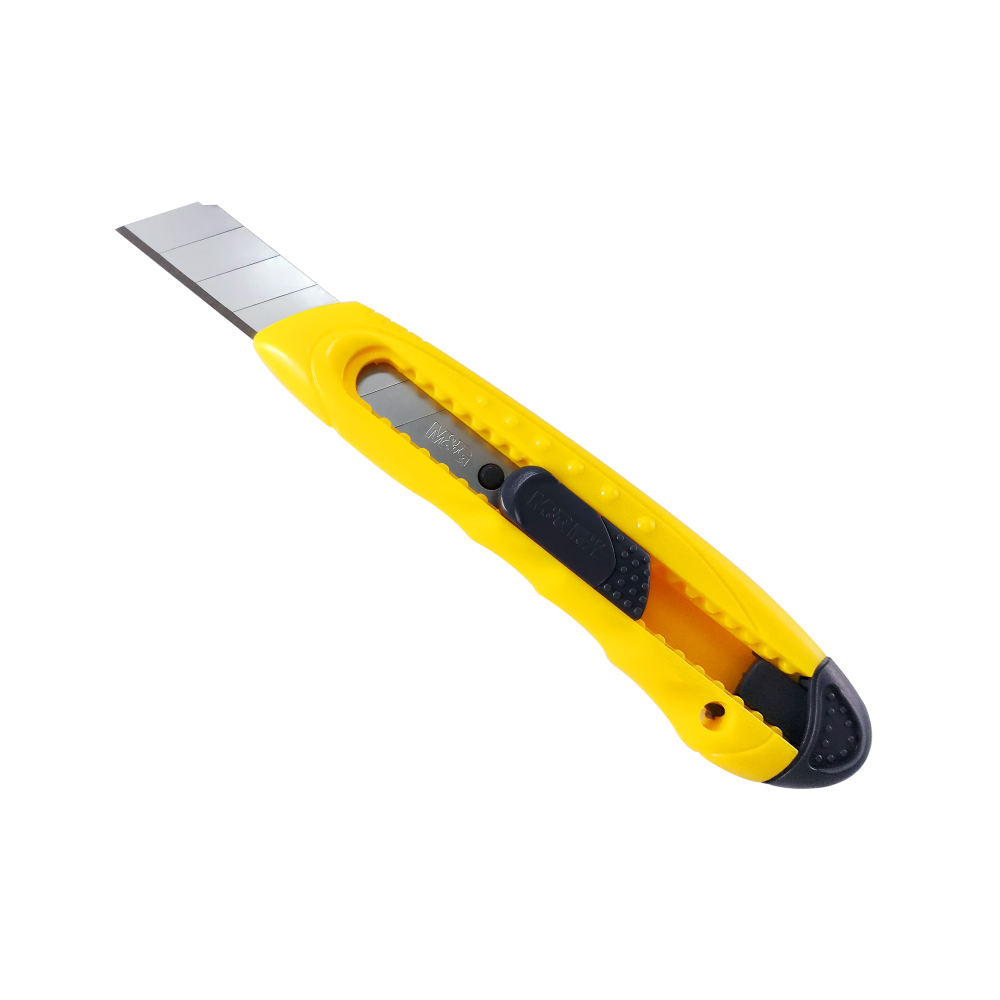
A quality utility knife has countless uses on a job site.
Uses Include
- Opening packaging
- Cutting hoses
- Trimming materials
- Removing insulation
Safety Reminder
Always retract the blade when not in use and replace dull blades promptly.
Tool #8: Measuring Tape
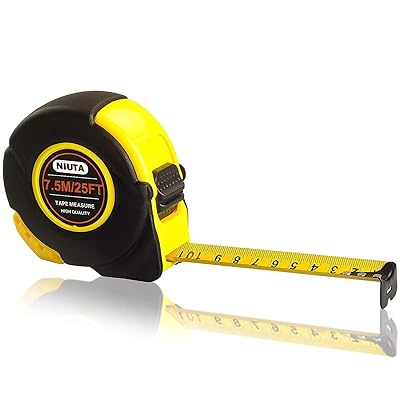
Accurate measurements are critical in construction and maintenance work.
Why Operators Need One
Measurements help with:
- Equipment positioning
- Attachment installation
- Material handling
- Site inspections
A durable tape measure with at least a 25-foot reach is ideal.
Tool #9: Grease Gun
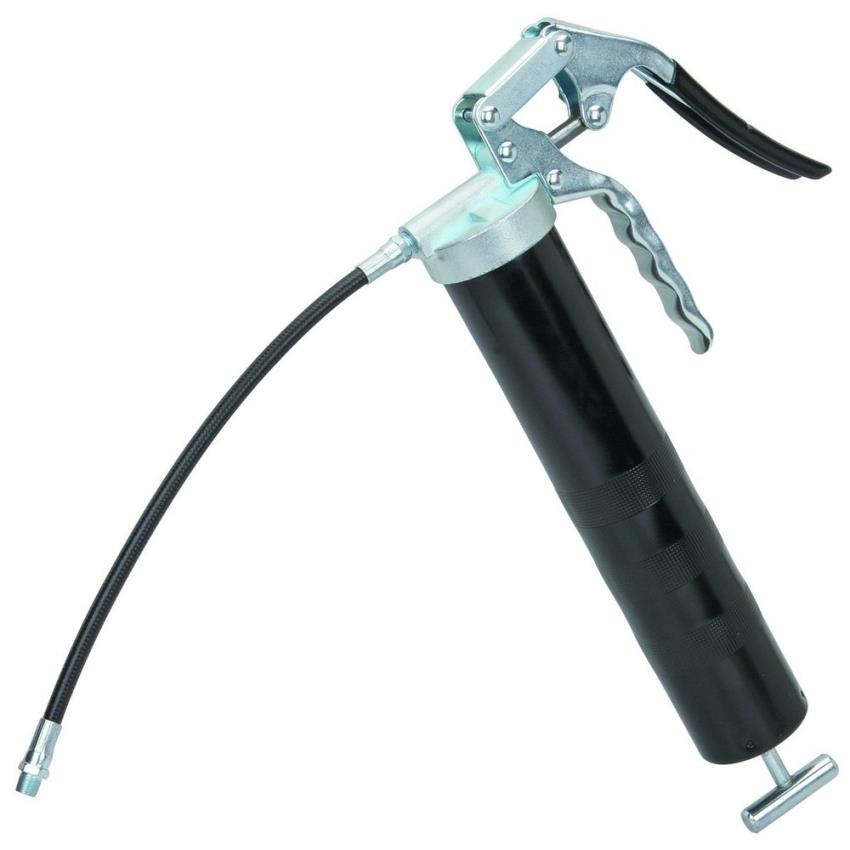
Lubrication is one of the most important maintenance tasks for heavy machinery.
Benefits of Proper Greasing
- Reduced wear
- Extended component life
- Lower repair costs
- Improved machine performance
Components That Often Require Greasing
- Pins
- Bushings
- Bearings
- Articulation joints
Many manufacturers recommend daily greasing intervals.
Tool #10: Multimeter
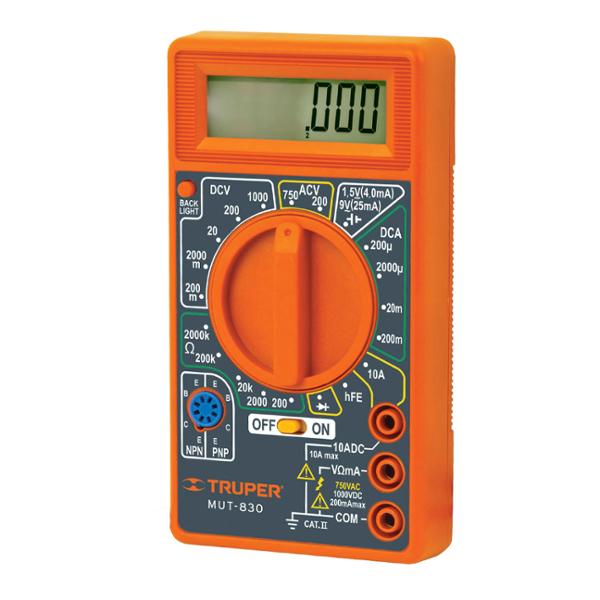
Modern heavy equipment relies heavily on electrical systems.
A multimeter helps diagnose:
- Battery problems
- Electrical faults
- Voltage issues
- Wiring failures
Basic Functions
- Measure voltage
- Test continuity
- Check resistance
Learning how to use a multimeter can save hours of troubleshooting.
Tool #11: Flashlight or Work Light
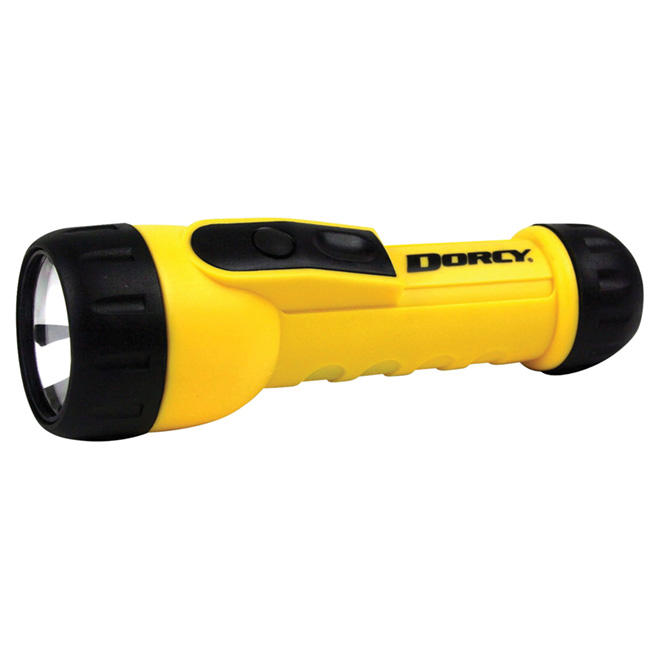
Many inspections occur in poorly lit environments.
Advantages
- Improved visibility
- Safer inspections
- Faster troubleshooting
Recommended Features
- LED technology
- Rechargeable batteries
- Water resistance
- Magnetic mounting options
A reliable work light is one of the simplest yet most valuable tools an operator can carry.
Safety Equipment Every Operator Should Carry
Tools alone aren’t enough. Safety equipment is equally important.
Essential Safety Gear
- Safety glasses
- Work gloves
- High-visibility vest
- Hearing protection
- Hard hat
- Steel-toe boots
Using tools without proper protective equipment significantly increases injury risks.
Common Mistakes When Using Tools
Even experienced operators make mistakes.
Frequent Errors
- Using the wrong tool for the job
- Overtightening fasteners
- Ignoring manufacturer specifications
- Failing to inspect tools regularly
- Using damaged tools
- Neglecting tool maintenance
Proper training is just as important as owning quality tools.
How to Build the Ideal Heavy Equipment Operator Tool Kit
The best tool kit balances portability and functionality.
Suggested Tool Kit Checklist
| Tool | Purpose |
|---|---|
| Adjustable wrench | Fastener adjustments |
| Socket set | Mechanical repairs |
| Screwdrivers | General maintenance |
| Pliers | Gripping and cutting |
| Hammer | Component alignment |
| Torque wrench | Correct tightening |
| Utility knife | Cutting tasks |
| Tape measure | Accurate measurements |
| Grease gun | Lubrication |
| Multimeter | Electrical diagnostics |
| Flashlight | Visibility and inspections |
Store tools in a durable, weather-resistant toolbox to protect them from dust, moisture, and job-site conditions.
Why Tool Knowledge Matters as Much as Tool Ownership
Owning tools is only half the equation.
The best operators continuously improve their mechanical knowledge and understand:
- Basic hydraulic systems
- Electrical troubleshooting
- Preventive maintenance procedures
- Manufacturer maintenance schedules
This knowledge helps operators identify problems early and communicate more effectively with maintenance technicians.
Frequently Asked Questions
What is the most important tool for a heavy equipment operator?
A socket and ratchet set is often considered the most versatile tool for routine maintenance and repairs.
Should operators perform their own repairs?
Minor maintenance and inspections are usually acceptable, but major repairs should be performed by qualified technicians.
How often should tools be inspected?
Tools should be checked regularly for wear, damage, or corrosion.
Is a torque wrench really necessary?
Yes. Proper torque prevents both loose and damaged fasteners.
Why is a grease gun important?
Proper lubrication extends component life and reduces expensive wear.
What size toolbox is best?
A medium-sized portable toolbox is usually sufficient for most operators.
Should operators learn electrical diagnostics?
Basic electrical troubleshooting skills are extremely valuable in modern heavy equipment operations.
Conclusion
A well-equipped basic tool kit for heavy equipment operators is more than a convenience—it’s an essential part of safe and productive machine operation. The right tools help operators perform inspections, handle minor repairs, reduce downtime, and extend equipment life.
From adjustable wrenches and socket sets to grease guns and multimeters, every tool serves a purpose. However, owning tools is only the first step. Learning how to use them properly is what separates average operators from highly skilled professionals.
Investing in quality tools, maintaining them regularly, and developing strong mechanical skills will improve safety, efficiency, and long-term career success in the heavy equipment industry.