Blog
-
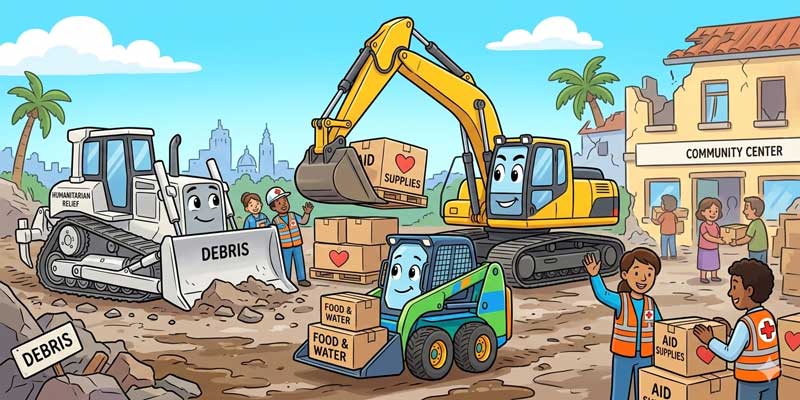
The Heavy Iron of Conflict: How a U.S.-Iran War Would Reshape the Machinery Industry
Geopolitics and heavy machinery are inseparable. When a conflict involves a global energy hub like the Persian Gulf, the repercussions vibrate through every factory in Peoria, Tokyo, and Changsha. A prolonged war between Iran and the U.S. in 2026 would represent the most significant disruption to the industry since World War II. 1. The Energy…
-
Global Heavy Machinery Market 2026: Sales Analysis and the “Great Recovery”
The heavy equipment industry has officially entered a new growth cycle. After two years of “bottoming out” due to global inflation and high borrowing costs, 2026 marks a significant shift. Procurement managers and OEMs are transitioning from a defensive “wait-and-see” approach to aggressive fleet expansion. 1. Market Performance: The 2024-2025 Dip vs. 2026 Growth To…
-
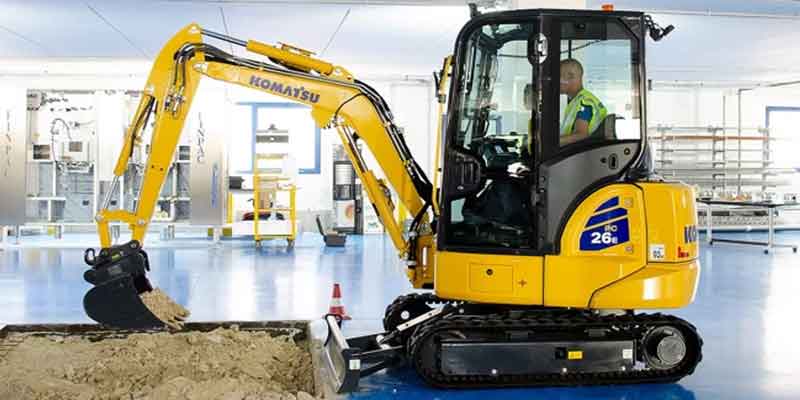
Komatsu PC26E-6: The Future of Zero-Emission Compact Excavation in 2026
The construction industry is hitting a major milestone in 2026 as urban centers tighten regulations on noise and carbon emissions. Leading this charge is the Komatsu PC26E-6, an all-electric mini excavator that proves “compact” no longer means “compromised.” Designed specifically for indoor work, nighttime residential projects, and environmentally sensitive sites, the PC26E-6 is more than…
-
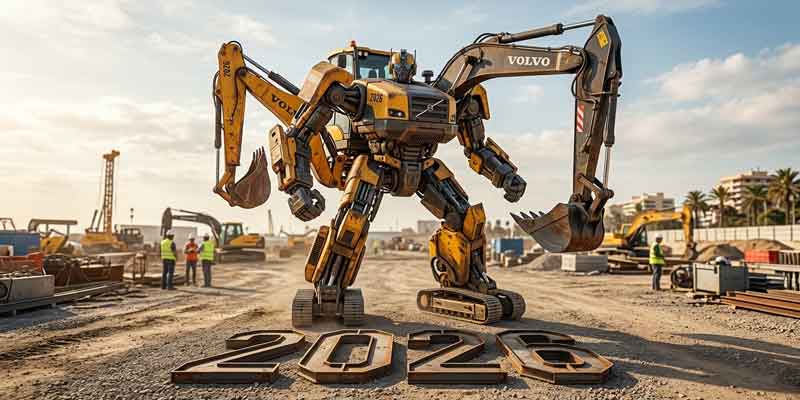
Heavy Machinery Trends 2026: The Era of Industrial AI and Green Power
The heavy machinery landscape in 2026 is no longer defined just by horsepower and steel. We have entered a transformative year where the “Internet of Heavy Things” (IoHT) and sustainable propulsion are the primary drivers of ROI. For fleet managers and construction leads, staying competitive now requires a deep understanding of how intelligence and energy…
-
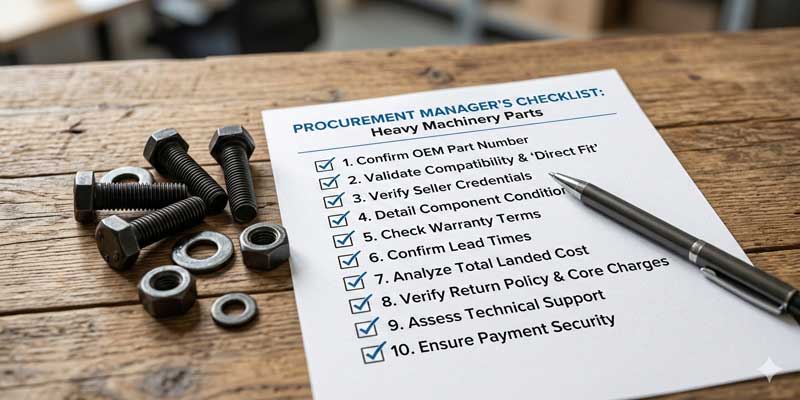
Procurement Manager’s Checklist: 10 Critical Points Before Ordering Heavy Machinery Parts Online
In the heavy industry sector, downtime is the ultimate profit killer. For procurement managers, the shift toward online sourcing offers speed and variety, but it also introduces risks. Ordering the wrong hydraulic pump or a sub-par undercarriage component can stall a project for weeks. To streamline your supply chain and protect your bottom line, verify…
-
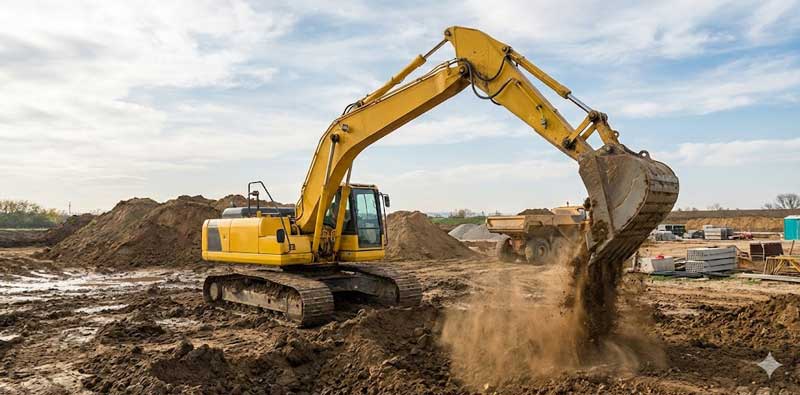
The 5 Best Excavators of 2025: A Fleet Manager’s Guide to ROI and Reliability
The construction landscape in 2025 looks very different than it did just five years ago. We have moved past the initial “sticker shock” of Tier 4 Final/Stage V emissions regulations, and we are now entering the era of Smart Iron. For fleet managers and contractors, the question is no longer just “How much dirt can…
-
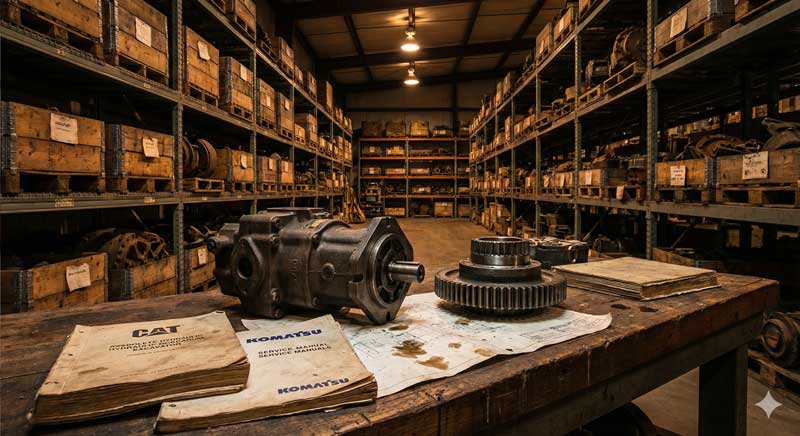
Sourcing Obsolete and Hard-to-Find Parts for Older Komatsu and Caterpillar Excavators
There is a specific type of frustration known only to owners of older heavy machinery. It’s the moment your trusty Caterpillar 330B or your workhorse Komatsu PC200-6 stops working. You identify the failed component, call the local dealer with the part number, and hear the three dreaded words that can grind your business to a…
-
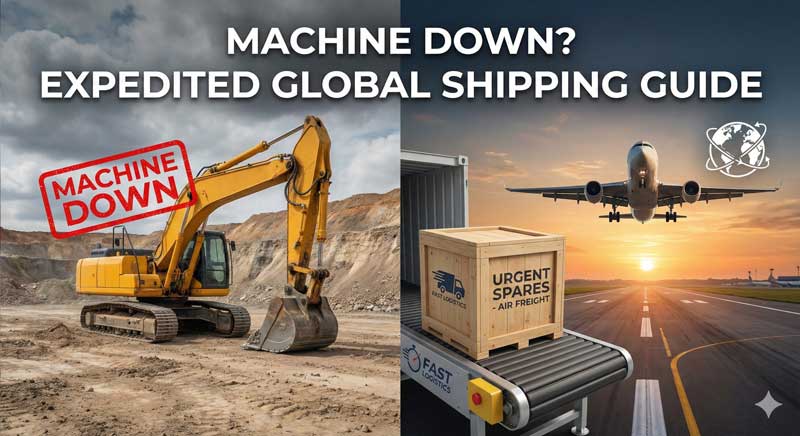
Machine Down? A Guide to Expedited International Shipping for Critical Heavy Machinery Spares
The sound of silence on a construction site or a mine is the most expensive sound in the world. When a 40-ton excavator stops moving, or a crusher at a quarry goes silent, the clock starts ticking against your profit margin. We know the statistics: for large mining operations, downtime can cost upwards of $5,000…
-
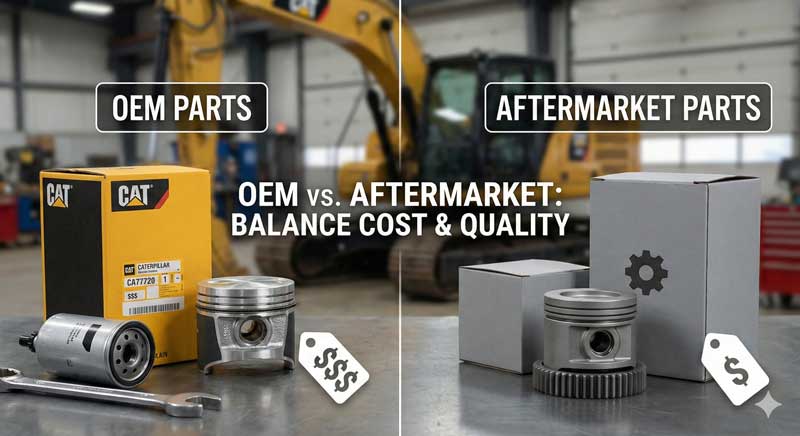
OEM vs. Aftermarket Heavy Equipment Parts: How to Balance Cost and Quality for Your Fleet
Every fleet manager knows the sinking feeling: A critical excavator or loader goes down, and the project clock is ticking. You call the official dealer, and the price for the replacement part is sky-high, or worse, it’s on backorder for weeks. This brings up the age-old debate in the heavy machinery world: Should you stick…
-

New Materials in Components (High-Strength Steel, Polymers): What Do They Mean for Your Equipment’s Durability?
In the world of heavy equipment, downtime is the enemy. A single failed component—a cracked chassis, a worn-out bushing, or a corroded panel—doesn’t just mean a repair bill. It means lost productivity, project delays, and skyrocketing operational costs. For decades, traditional carbon steel was the default choice. But material science has advanced. Today, two classes…