A sudden or gradual loss of power in heavy machinery—whether it’s an excavator, tractor, commercial truck, or generator—can stall operations, increase fuel consumption, and lead to costly downtime. When an engine struggles under load or fails to reach target RPMs, the root cause almost always lies in one of two critical systems: fuel delivery or turbocharging.
Don’t forget, we also offer a wide range of spare parts for heavy machinery, so feel free to inquire about any replacement needs you may have. Just click on contact us.
Understanding how these systems interact and identifying symptoms early will help you diagnose issues before minor component failures turn into catastrophic engine damage.
1. Fuel System Issues: Starving the Engine of Power
Diesel and high-performance engines require a precise air-to-fuel ratio under varying load conditions. If fuel flow is restricted or atomization is compromised, combustion efficiency drops immediately.
Clogged Fuel Filters
Fuel filters are your first line of defense against dirt, rust, and water contamination. Over time, debris builds up and restricts fuel flow.
- Symptom: The machine runs fine at idle or low loads but bogs down, sputters, or stalls when accelerating or working under heavy load.
- Solution: Replace primary and secondary fuel filters according to manufacturer service intervals, or sooner if operating in dusty or wet environments.
Faulty or Dirty Fuel Injectors
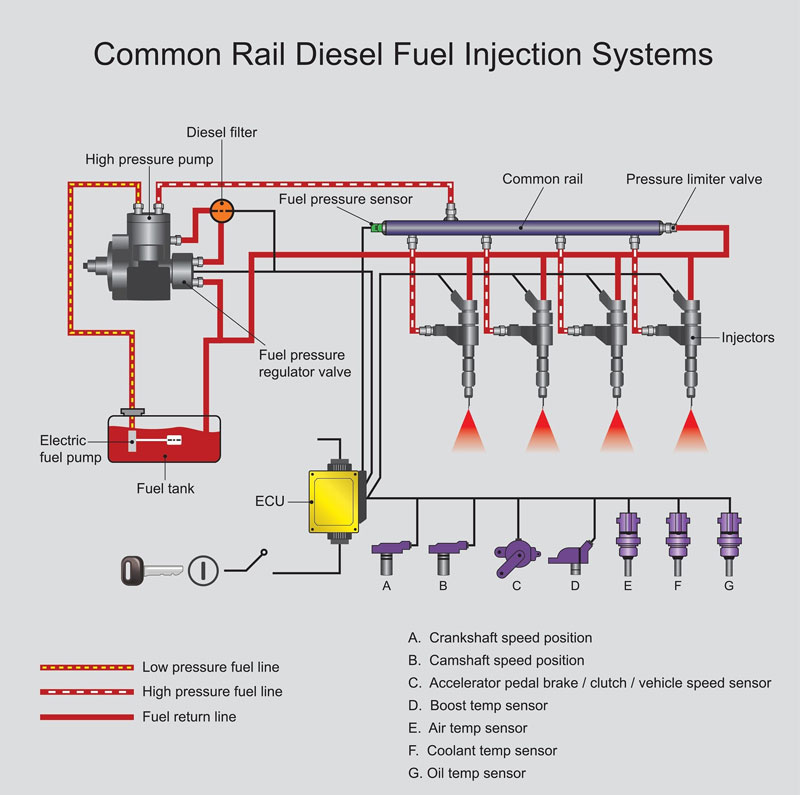
Modern high-pressure common rail (HPCR) systems rely on precise injector spray patterns to ensure complete combustion. Carbon deposits or internal wear can disrupt this spray pattern or cause injectors to stick.
- Symptom: Rough idling, black or white exhaust smoke, sluggish acceleration, and uneven cylinder performance.
- Solution: Perform a cylinder cut-out test to isolate malfunctioning injectors. Clean or replace affected injectors and use high-quality fuel additives to prevent carbon buildup.
Weak Fuel Pump or Low Supply Pressure
The lift pump transfers fuel from the tank to the high-pressure pump. If the lift pump fails or develops air leaks in the suction lines, pressure drops throughout the system.
- Symptom: Hard starting, unexpected engine shutdown under load, and low fuel rail pressure fault codes.
- Solution: Measure fuel supply pressure with a mechanical gauge and inspect fuel supply lines for cracked hoses or loose fittings that allow air into the system.
2. Turbocharger Failures: Loss of Induction Air
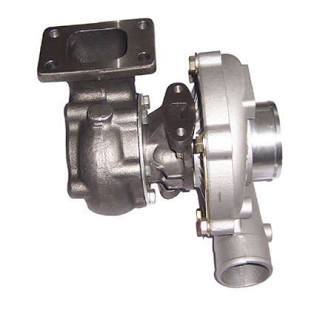
A turbocharger forces extra air into the combustion chamber, allowing the engine to burn more fuel and generate higher horsepower. When turbo boost pressure drops, the engine essentially starves for air.
Boost Leaks (Intercooler & Hoses)
Even if the turbocharger itself is spinning properly, pressurized air can escape before reaching the engine intake manifold through damaged hoses, loose clamps, or a cracked intercooler (charge air cooler).
- Symptom: Distinct whistling or hissing noise under acceleration, excessive black smoke from the exhaust, and noticeably sluggish torque.
- Solution: Conduct a visual inspection of charge air pipes and perform a boost pressure leak test using soap solution or smoke testing.
Sticky or Stuck Wastegate / VGT Actuator
Variable Geometry Turbochargers (VGT) and wastegate-equipped turbos regulate boost levels dynamically. Soot accumulation or actuator solenoid failures can cause the vanes or gate to stick open or closed.
- Symptom: Stuck Open: Severe underboost and severe power loss across all RPMs. Stuck Closed: Overboost fault codes and safety limp-mode activation.
- Solution: Test the actuator linkage for smooth mechanical movement and verify electronic or pneumatic control signals.
Turbo Compressor/Turbine Wheel Damage or Bearing Wear
Ingestion of foreign debris (due to a damaged air filter) can chip compressor blades. Additionally, oil starvation or dirty engine oil damages turbo journal bearings, causing shaft play and housing contact.
- Symptom: High-pitched whining or grinding noises, oil leaking into the intake manifold, and blue exhaust smoke.
- Solution: Remove the intake hose to check the compressor wheel for physical play, bent blades, or oil pooling. Replace the turbocharger if bearing play exceeds manufacturer tolerance.
Diagnostic Matrix: Fuel vs. Turbo Issues
Use this quick-reference matrix to compare common symptoms and narrow down the root cause:
| Symptom | Primary Suspect | Recommended Diagnostic Action |
| Bogs down only under heavy load; idle is smooth | Clogged Fuel Filter / Weak Lift Pump | Check fuel pressure under load & replace filters. |
| Black smoke + whistling sound on acceleration | Boost Leak (Hoses / Intercooler) | Inspect charge air cooler pipes and clamps. |
| Excessive blue smoke + oil in intake | Turbo Bearing Failure / Seal Leak | Check turbo shaft end-play and oil drain lines. |
| Rough idle + misfire + dark exhaust | Faulty Fuel Injector | Perform injector balance / cylinder cut-out test. |
| Engine goes into ‘Limp Mode’ under high RPM | VGT Actuator / Fuel Rail Pressure Sensor | Scan ECM for boost or fuel pressure fault codes. |
Preventative Maintenance Checklist
To avoid unscheduled downtime and maintain maximum operating power:
- Change Fuel Filters Regularly: Never bypass or extend filter service intervals. Always use OEM-quality filter media.
- Inspect Air Intake Systems: Check air filter restriction indicators and inspect intake ducting for cracks or loose seals daily.
- Practice Proper Engine Idle Down: Allow turbocharged engines to idle for 2 to 3 minutes before shutting down to allow the turbo bearing center housing to cool down and prevent oil coking.
- Sample Oil and Fuel Quality: Test fuel tanks periodically for water contamination and perform routine oil analysis to detect early wear metals.